
Hello 2026!
If you read my post on Day 50, you’ll know that by then, I finally felt steady in how I approached crypto. The big words that once intimidated me didn’t anymore.
Blockchain finally made sense to me, not just as a definition, but as a system, a core technology behind cryptocurrency and many other digital systems built on trust. Even while learning about derivatives, candles, open interest, and slowly getting acquainted with the Greeks, I felt more oriented than overwhelmed.
I didn’t trade during the Christmas season, though. Partly because market conditions weren’t great and the excitement just wasn’t there, and partly because my small portfolio was already reminding me how timing works.
Some coins I bought at $250 back in November were sitting around $37 today, which usually happens when you enter late and end up caught in the liquidation cycle. It wasn’t ideal, but it also wasn’t surprising. Crypto is one hella exciting game, diba, and sometimes that excitement only makes sense after you’ve lived through it.
A Natural Pause in Learning
The holidays slowed everything down for a bit. There was less reading and less writing, and more time spent with family and friends, which I enjoyed. Now that things are settling again, I feel ready to move forward and keep up with my writing schedule and the side hustles that come with it. That pause gave me enough distance to notice something I hadn’t paid attention to before.
Most people don’t lose crypto when they’re scared. They lose it when they’re comfortable. Day 51 isn’t about learning something new for the sake of adding knowledge, but about protecting what I already know how to use.
Knowing Isn’t the Same as Understanding
I’ve spent years reading about crypto and listening to people explain it through articles, videos, and long YouTube discussions that play in the background while I’m doing other things. I had a lot of information, but looking back, some of it was only half-understood. I could repeat the ideas, but I wasn’t always confident using them.
I attended a free workshop near where I live. It was close, it was free, and I thought, why not. It wasn’t another online video, and being there in person made it easier to notice the parts I didn’t fully get before.
Lessons From the Bitcoin Mining & Self-Custody Workshop
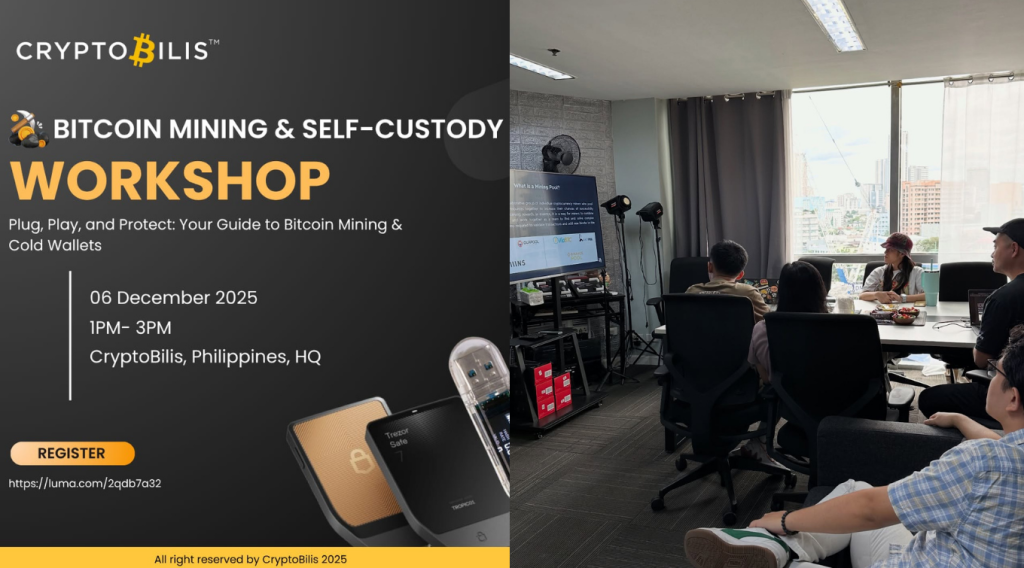
The workshop was no hype, no rush, and no attempt to sound impressive. Instead of starting with mining rigs or security tools, they began by slowing everything down and talking about Bitcoin itself, not in terms of price or predictions, but as a system.
They shared small details and simple explanations, the kind that don’t feel groundbreaking but quietly remove confusion. That approach made a difference, because it highlighted how different knowing something is from actually understanding it.
I liked how Michael and Al handled the discussion. It didn’t feel formal at all, more like a chill conversation where you could just listen and jump in when you felt like it. They even put candies and biscuits in the middle of the table, which honestly made everything feel more relaxed. I just wished there were mani (peanuts) next time, lol, to really complete the vibe. 😂
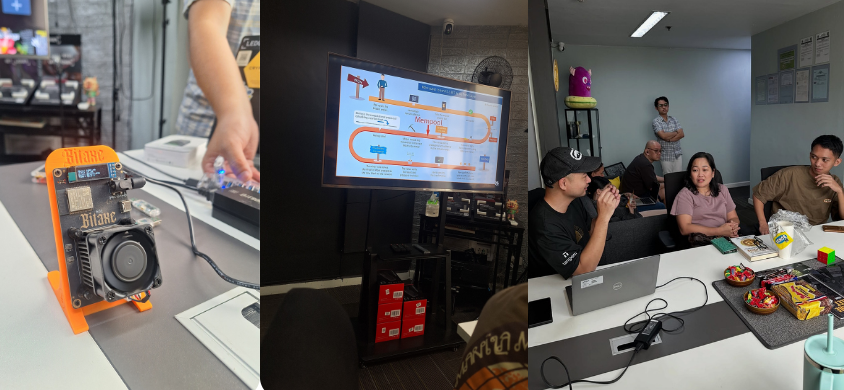
What I liked about the discussion is that they doesn’t claim anything they are not, they’re just there to share what they know, no pretensions they know everything.
Centralized Apps and What We Actually Own
One discussion that stayed with me focused on centralized apps, the ones many of us start with, like Binance, Gcrypto, Maya, and Coins.ph. I’ve used these platforms, written about them, and explained them to other people, yet hearing the explanation laid out clearly helped everything line up.
When you use centralized platforms, your crypto isn’t sitting in a wallet you control. What you see is a balance, a record of what the platform holds on your behalf. I knew this in theory, but I hadn’t fully absorbed what it meant in practice.
That’s when the phrase “not your keys, not your coins” stopped sounding like a slogan and started sounding like a system description. It wasn’t a warning or a judgment about where people begin, but simply an explanation of how things are structured.
Why Good Security Feels Calm
What surprised me most was how calm I felt walking away from the workshop. We talked about mining setups and hardware wallets, but the more important takeaway wasn’t technical. It was practical.
Good security shouldn’t rely on urgency, memory, or constant attention. If a setup forces you to rush or act while tired or distracted, it will eventually fail, not because you’re careless, but because you’re human.
Most crypto mistakes don’t happen when people are confused. They happen when people are fixing something quickly, clicking through steps they’ve done before, or acting on assumptions they never fully checked. Crypto doesn’t care about intent, and once you act, the system simply moves forward.
Protection as a Daily Practice
That’s why protection isn’t really about being smart or technical, but about reducing the number of situations where you have to make fast decisions. It’s about building habits that let you slow down.
I still learn a lot online, and that matters. But once in a while, being in a room where people explain things slowly and from experience helps everything settle. Workshops like this at the CryptoBilis headquarters do that well. They even walk you through setting up a hardware wallet step by step, so there’s no confusion. You can ask as many questions as you want, from how to use it day to day to which one suits you best, and you leave feeling more at ease knowing your crypto is properly secured.
If you’re serious about securing your crypto, it’s worth keeping an eye on CryptoBilis’ upcoming workshops. And if you’re already thinking about hardware wallets or self-custody, you can also check their page here: https://www.facebook.com/cryptobilisphilippines. It’s a good place to start if you want clear, practical guidance.
In Day 52, I’ll talk about the small, everyday mistakes people make in crypto. The ones that don’t look risky at all while you’re doing them, but end up causing the biggest losses later on. Nothing technical, just real situations most of us eventually run into. See you soon!
Leave a Reply